
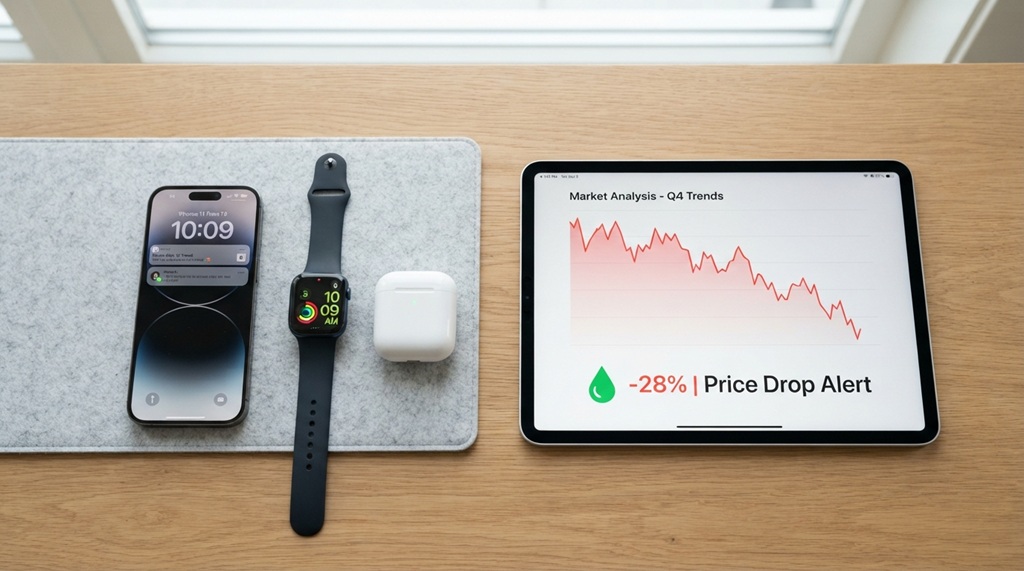
You can track gadget price drops by using price-tracking tools, setting alerts, and timing your purchase around known sales cycles. This simple habit can save you real money on phones, laptops, and other tech. Most shoppers don’t do it. That’s why they overpay.
Prices on gadgets change constantly. A laptop that costs $999 today might drop to $749 in six weeks. Without a system to catch that drop, you’ll never know it happened.
This guide shows you exactly how to track prices, which tools actually work, and how to time your purchases so you always get the best deal.
Why Gadget Prices Change So Often

Gadget prices change because retailers constantly adjust pricing based on demand, competition, and inventory levels. Tech products are especially volatile because new models release often, pushing older ones into discount territory.
Retailers also use dynamic pricing software. This software changes prices multiple times a day based on your browsing history, competitor prices, and stock levels. This is why the same product can show different prices depending on when you check.
Seasonal patterns matter too. Prices tend to drop around major shopping events, end-of-quarter sales, and right before a new model launches. Once a manufacturer announces a new gadget, the older version usually gets cheaper fast.
Best Tools to Track Gadget Price Drops
The best way to track price drops is by using dedicated price-tracking tools that monitor products automatically and notify you when prices fall.
Browser Extensions for Real-Time Price Tracking
Smart shoppers rely on browser extensions like Keepa, CamelCamelCamel, and Honey to cut through artificial discounts and verify true market value directly on product pages. By overlaying multi-month price history charts, these tools instantly reveal whether a current discount is a genuine bargain or an inflated promotion. For Amazon power users, CamelCamelCamel excels at tracking long-term pricing trends and delivering instant email alerts the moment an item hits your target budget. Once you secure your discounted hardware at its absolute floor price, seamless setup is the next step make sure to follow our comprehensive guide on how to migrate data safely to your new tech device so every file, app, and setting transfers effortlessly.
Price Comparison Websites
Sites like Google Shopping and PriceGrabber let you compare the same product across multiple retailers at once. This helps you catch drops that happen on one site but not another.
Instead of checking five different stores manually, these websites pull the data together in one place. This saves time and helps you spot the lowest price instantly.
Retailer-Specific Apps
Many retailers, like Best Buy and Walmart, have their own apps with price alert features. These apps often notify you about flash sales before the general public sees them.
Setting alerts directly through the retailer also means you’re first in line when stock is limited. Popular gadgets sell out fast during major price drops.
How to Set Up Price Alerts the Right Way
Setting up price alerts correctly means choosing the right target price, tracking multiple retailers, and picking tools that notify you instantly rather than once a day.
Choose a Realistic Target Price
Don’t set your target price at the lowest price ever recorded. That price may have been a one-time error or a clearance event that won’t repeat. Instead, look at the average price over the last three months and set your target slightly below that.
Track More Than One Retailer
Never rely on just one site for price tracking. A gadget might drop on Amazon while staying the same price on Best Buy, or the other way around. Tracking multiple retailers gives you more chances to catch a real deal.
Use Instant Notifications
Choose tools that send instant alerts through email, text, or push notification. Daily digest emails are too slow for flash sales, which often end within hours.
Best Times of Year to Find Gadget Price Drops
The biggest gadget price drops happen around Black Friday, Cyber Monday, back-to-school season, and right before new product launches. Knowing these windows helps you time your purchase instead of buying on impulse.
Black Friday and Cyber Monday remain the most predictable events for tech discounts. According to industry experts, these two days consistently produce some of the steepest price cuts of the year across electronics categories.
New product launch season is another key window. When a company announces a new phone or laptop, the previous model typically drops in price within days. If you don’t need the newest model, this is often the smartest time to buy.
End-of-quarter sales, usually in late March, June, September, and December, also tend to bring discounts. Retailers push to hit sales targets before the quarter closes, which often means better deals for shoppers.
A Smarter Angle Most Guides Miss: Track the Refurbished Market Too

Most articles only focus on tracking new gadget prices, but tracking the refurbished and open-box market can save you even more money. Certified refurbished gadgets often come with warranties and can be 20-40% cheaper than new units, yet very few price-tracking guides mention this.
Sites like Back Market and manufacturer refurbished stores (Apple, Dell, and others) list certified refurbished products with full warranty coverage. These aren’t broken returns. They’re often devices that were opened, tested, and resealed.
If you’re willing to buy a device that’s a few months old or was returned and inspected, tracking this market alongside new prices can double your savings opportunities. Set up alerts on both markets, and buy whichever hits your target price first.
Common Mistakes That Make You Overpay
The most common mistake is buying based on a “limited time” label without checking the actual price history first. Retailers often use urgency language even when the price hasn’t really dropped.
Another common mistake is forgetting to check for stackable discounts. Coupon codes, cashback apps, and credit card rewards can stack on top of a sale price, but many shoppers stop looking once they see one discount applied.
Shoppers also tend to ignore shipping and return policies when comparing prices. A slightly higher price with free shipping and free returns can end up cheaper than a lower price with hidden fees.
Frequently Asked Questions
How often do gadget prices actually drop?
Gadget prices can change several times a week, especially on major shopping platforms that use dynamic pricing. The biggest drops usually happen around major sales events or right before a new model launch.
Is CamelCamelCamel accurate for tracking Amazon prices?
Yes, CamelCamelCamel is widely used and generally accurate for tracking Amazon price history. It pulls data directly from Amazon’s pricing changes over time, giving you a reliable long-term view.
Should I wait for Black Friday to buy a new gadget?
Not always. If you need a specific gadget right now, waiting could mean missing weeks of use for a discount that may not even apply to your model. Check price history first to see if the current price is already close to past Black Friday deals.
Do price tracking tools cost money?
Most popular price-tracking tools, including CamelCamelCamel and browser extensions like Honey, are free to use. Some retailer apps also offer free price alert features with no subscription required.
Can I track price drops on more than just electronics?
Yes, most price-tracking tools work across categories, including home goods, appliances, and clothing. However, gadgets tend to have the most frequent and predictable price changes, making them ideal for tracking.
Final Thoughts
Tracking gadget price drops doesn’t require much effort once you set up the right system. Use price-tracking tools, set realistic alerts across multiple retailers, and time your purchases around known discount windows like Black Friday or new product launches.
Don’t forget the refurbished market either. It’s an easy way to find extra savings that most shoppers overlook entirely.
With a few simple habits, you can stop guessing and start buying gadgets at the right price, every single time.

Leave a Reply